
How To Help Kids Build Confidence
Confidence is one of those qualities everyone talks about, but few people feel they fully understand. We all want our kids to believe in themselves, take healthy risks, and navigate the world with a sense of inner strength. But how do we actually help them get there? And how do we do it in a way that feels authentic, not forced? Learning how to help kids build confidence is one of the most important skills a parent or caregiver can master.
These questions came to me while working with kids who have experienced trauma in my clinical practice for years. It became apparent that there was something special built right into an everyday aspect of our children’s lives: play.
One of my passions is video games, and the more time I spend studying them, the more I realize how powerful play can be when it’s used intentionally.
Just like anime, books, or movies, the games and worlds kids immerse themselves in shape the way they think and feel.

When kids are given the right kind of support—especially from safe, attuned peers and adults—their play becomes something much deeper than entertainment. It becomes a space where confidence can grow. Understanding how to help kids build confidence means recognizing that the right guidance transforms play into growth.
We live in a world where kids need more ways to practice resilience, try new things, and feel capable in their environment. The pressures on them have never been higher, and confidence doesn’t come from lectures or being pushed into discomfort before they’re ready.
It comes from small wins, safe challenges, supportive communities, and experiences that let them see themselves as capable. Learning how to help kids build confidence involves giving them repeated opportunities to succeed, fail, reflect, and try again.
Let’s explore what actually helps children build confidence—and why supportive play and guided social challenges can be such powerful tools for teaching how to help kids build confidence.
Understanding What Confidence Really Is
Confidence isn’t about being loud, fearless, or outgoing – it’s not about perfection or getting everything right. And it definitely doesn’t develop from pressure, comparison, or being asked to “just believe in yourself.”
Confidence is something much simpler: it’s the belief that “I can handle this!”
Kids develop confidence when they face challenges and discover that they can figure things out, recover from mistakes, and try again. It grows slowly, like a muscle.
Every time they solve a problem, navigate a tough moment, or master a new skill—even a small one—they add a brick to their inner foundation. This is why learning how to help kids build confidence must focus on creating these safe, incremental growth opportunities.
Play is one of the only areas of a child’s life where they can explore freely, experiment safely, and learn from both success and failure without real-world consequences. It’s the perfect training ground for confidence and a critical part of understanding how to help kids build confidence effectively.
Why Play Is Such a Powerful Developer of Confidence
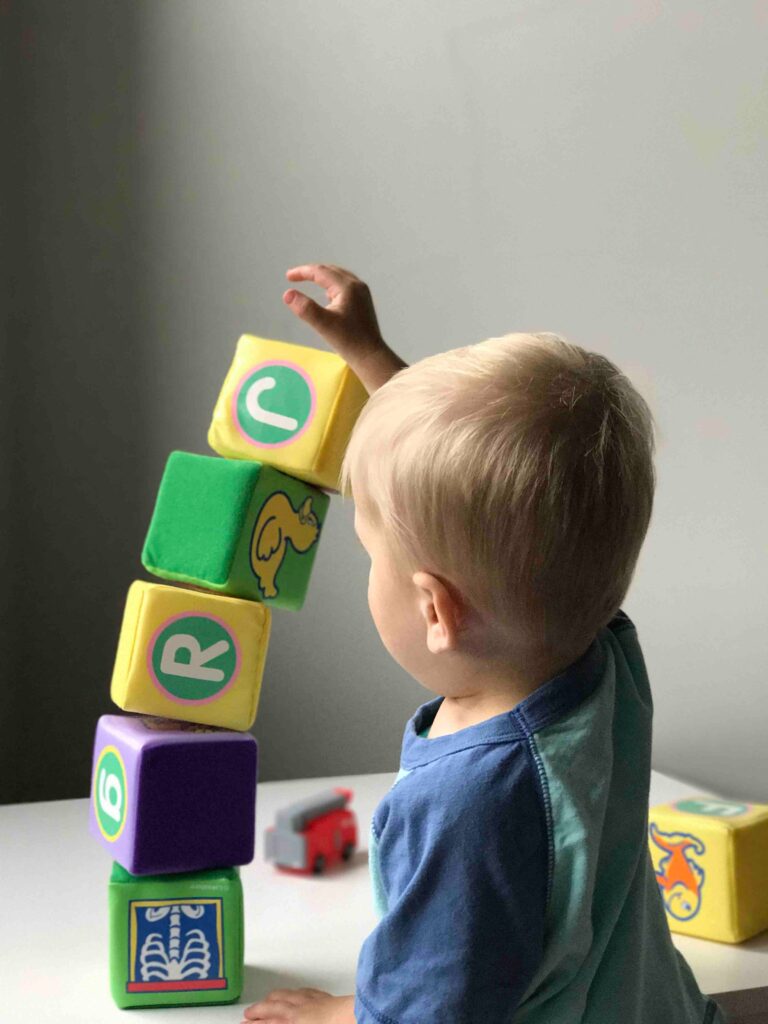
Play is the original social-emotional classroom. It’s where kids experiment with leadership, communication, problem-solving, frustration tolerance, creativity, and social roles. Plus, it’s fun!
The beauty of fun while learning is that fun acts as a “save button” on lessons kids (and adults) learn when they play.
Whether it’s imaginative play, building something, solving puzzles, or gaming with peers, play gives children the chance to try things, fail, try again, and eventually succeed.
Here’s why play has such a strong effect on confidence:
- It lowers the stakes so mistakes don’t feel scary
- It boosts motivation because kids genuinely enjoy what they’re doing
- It encourages persistence—kids naturally want to complete the task or reach the goal
- It gives them full ownership over their decisions
- It creates space for independence and initiative
When kids are allowed to explore at their own pace but still have structure and safety, confidence takes root almost automatically. Knowing how to help kids build confidence means recognizing the value of unstructured and guided play as complementary tools.
The Role of Safe Adults in Confidence-Building Play
Now I can teach you as a grown up what your role is when considering how to help kids build confidence.
Kids can accomplish a lot on their own, but they grow best when they have safe adults nearby—adults who can guide, support, and sometimes even follow their lead. There are two major roles adults play in helping children become more confident:
Adults who lead play with structure
Sometimes kids need a sense of direction. They may feel overwhelmed by too many choices or unsure where to start. When an adult steps in with a supportive, calm presence and offers guidance, it creates a sense of security. It shows the child, “You don’t have to figure everything out alone.” Adults can model problem-solving, teamwork, frustration tolerance, and communication—all essential parts of how to help kids build confidence.
Adults who step back and let the child lead
Other times, kids need adults to let them take the wheel. When a grown-up is present, engaged, and supportive—but not controlling—it tells the child, “I trust you. You can do this.” This balance between guidance and autonomy helps confidence explode. Kids feel safe enough to try harder things because they know someone caring is close by, watching their efforts, not their outcomes. This is a key aspect of how to help kids build confidence effectively.
As parents, you’re going to be your child’s number 1 sought out support. So it’s important that you know what you’re able to do for them when it comes to life’s challenges!
How Social Challenges Support Confidence Growth
Confidence doesn’t grow in isolation. Kids need social experiences—real ones with real people—to develop a sense of competence. Social challenges, when properly supported, help kids practice skills like:
- Emotional Regulation
- Handling disagreements
- Collaborative Problem Solving
- Trying New Things
- Learning Empathy
These are the kinds of moments that stretch what we call the “window of tolerance” just enough to grow without overwhelming them. When kids get into a tricky social moment and successfully navigate it, that experience becomes part of their internal story:
“I figured that out. I handled that. Maybe I’m stronger than I thought.” The effect of these positive interactions can ripple into other aspects of their lives, as well!
Safe communities, especially ones built around shared interests like gaming or creativity, become powerful confidence-building spaces for kids who may struggle socially in other environments. Understanding how to help kids build confidence is impossible without acknowledging the role of peer-supported experiences.
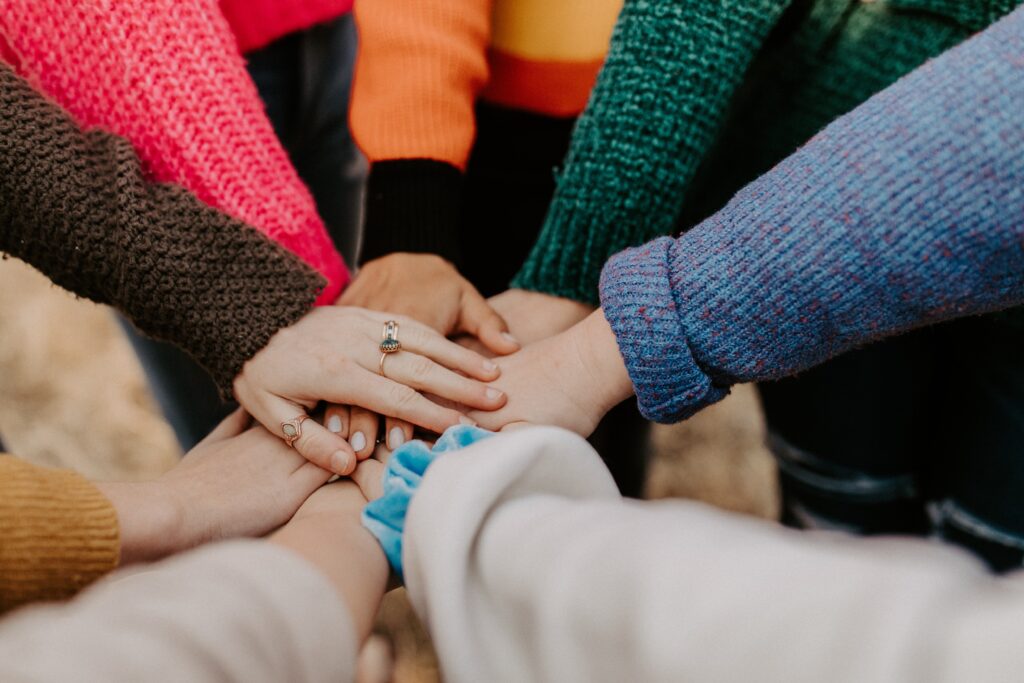
Helping Kids Apply These Lessons in Real Life
Confidence built in play transfers into everyday life. It’s how every person learns literally every skill they have – to play with it.
When kids learn they can solve problems in a game, they start believing they can solve problems at school. When they communicate with peers in a safe online community, they become more comfortable communicating with peers in real life. When they take the lead on a small group activity, it becomes easier to raise their hand in class or try something new outside of their comfort zone.
Confidence isn’t a one-time achievement – It is a series of experiences that gradually shifts the way a child sees themselves. And structured play – especially when moderated by a trained, supportive adult – creates these experiences naturally, consistently, and safely.
This is central to how to help kids build confidence through repeated, intentional experiences.
A Great Way to Support Confidence: Social Sprouts Gaming Club
If you’re reading this and thinking, “Okay, this makes sense, but how do I actually give my child these kinds of experiences?”, you’re not alone. Parents often want structured play environments that are safe, well-moderated, and intentionally designed to help kids grow—but they’re hard to find.

But no worries, I got you guys!
Social Sprouts is a guided Minecraft-based social community built specifically to help children how to help kids build confidence while also:
- Taking safe social risks
- Developing communication and teamwork
- Practicing leadership in a low-pressure environment
- Receiving non-clinical support from a child therapist in real time
- Engaging in structured missions that promote resilience
- Playing and learning in a community designed to be safe, positive, and welcoming
Kids get to enjoy a world they already love—Minecraft—while receiving the kind of emotional and social support that helps confidence flourish. It’s preventive, it’s fun, and it’s an effective way to help kids grow into more resilient, self-assured versions of themselves!
If you’re looking for a place where your child can actively learn how to help kids build confidence through guided play, supportive community, and structured social challenges, Social Sprouts is the perfect solution. You can learn more about the group, the tiers, and what each membership includes on the Social Sprouts page here.
I’m looking forward to meeting you!
All inquiries for Social Sprouts can go directly to me at my email below!
antonio@michigancrs.com
