
How to Encourage Independence in Kids
Independence is something every parent hopes to see in their child—those moments when a kid starts making their own choices, solving their own problems, or showing just a little more confidence than before. You may have even though about how to encourage independence in kids?
Well, independence isn’t something that simply appears. It grows slowly, through experiences, relationships, and opportunities that let kids discover what they can do. Which is exciting!
This idea really clicked for me while watching kids engage in play in my practice. When kids explore freely, try new roles, and experiment without fear, something powerful happens: they begin to trust themselves.
They start seeing themselves as capable. And that sense of capability is the root of independence.
Kids today need more spaces where they can explore the world with curiosity and courage—without feeling rushed, judged, or pressured to be perfect. Play gives them that. Let’s dive into what actually encourages independence in kids and why playful environments can make such a difference.
Understanding What Healthy Independence Really Means
Independence isn’t about doing everything alone or becoming emotionally detached from people. It isn’t about perfection, productivity, or acting older than they are. In fact, forcing these types of behaviors too early can be detrimental to your child’s development
Healthy independence is the belief that “I can try this on my own, and even if it’s hard, I can figure out what to do next.” It’s a type of self trust that your child has when trying something new!
Children develop independence gradually, through small moments:
- Solving a puzzle without being told the answer
- Trying a new activity and tolerating the discomfort
- Managing frustration and continuing anyway
- Making choices and seeing the results
- Asking for help when needed (yes—this is also independence)

These and many other activities can help encourage independence in kids. The common theme here is play. In play, the risks feel lighter, the stakes are lower, and the world feels safer.
Kids get to practice autonomy in a way that feels natural and fun. Besides, who doesn’t like to play?
Why Play Is a Natural Pathway to Independence
Play is one of the most effective tools for developing independent thinking, decision-making, and resilience. When kids are immersed in play—whether imaginative play, building, problem-solving, or gaming—they’re choosing their goals, trying strategies, and making meaningful decisions.
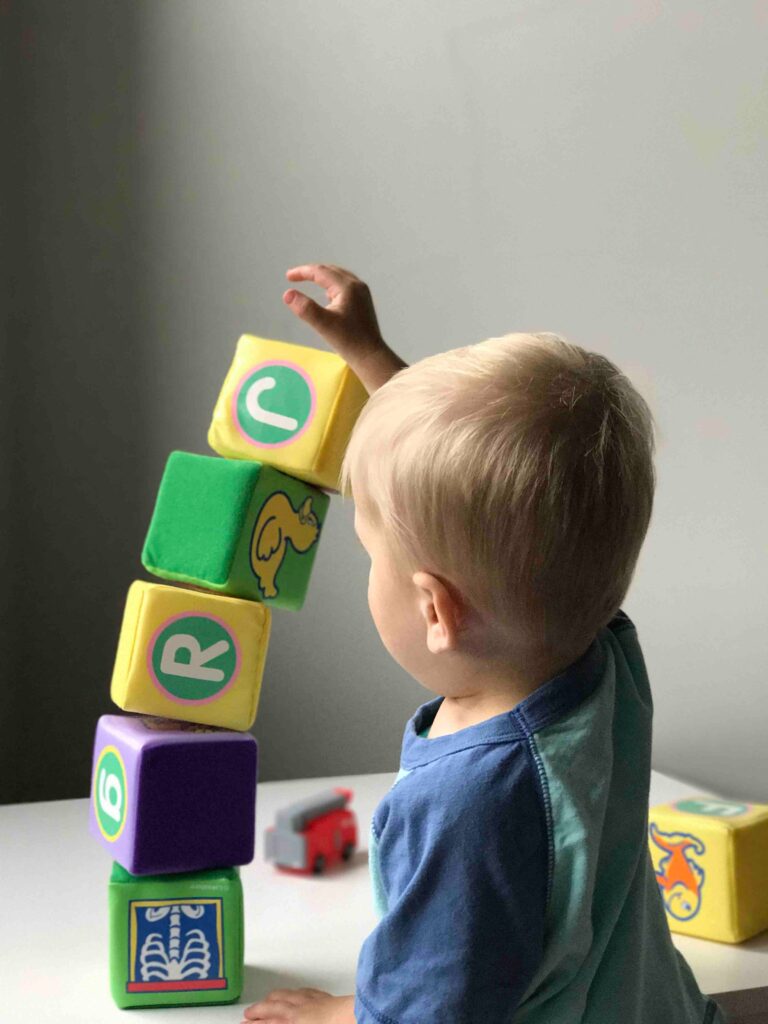
Play encourages independence because:
- Kids become deeply motivated to solve problems on their own
- They practice trial and error without shame
- They naturally want to experiment and explore
- They feel ownership over their choices and outcomes
- They build emotional tolerance by facing small frustrations
The message in play that kids can have goes something to the tune of “It’s okay to figure things out at your own pace.” — And that message is essential for independence!
The Role of Safe Adults in Supporting Independence
Even though independence is about doing, it doesn’t grow in isolation. Kids become independent when they have adults who provide emotional safety, support, and attunement.
There are two key roles caregivers and trusted adults play:
Adults who guide with gentle structure
Sometimes kids don’t know where to begin. A little support—without taking over—helps them feel grounded.
A supportive adult can model problem-solving, frustration tolerance, planning, and emotional regulation. This isn’t doing it for them, but rather walking with them.
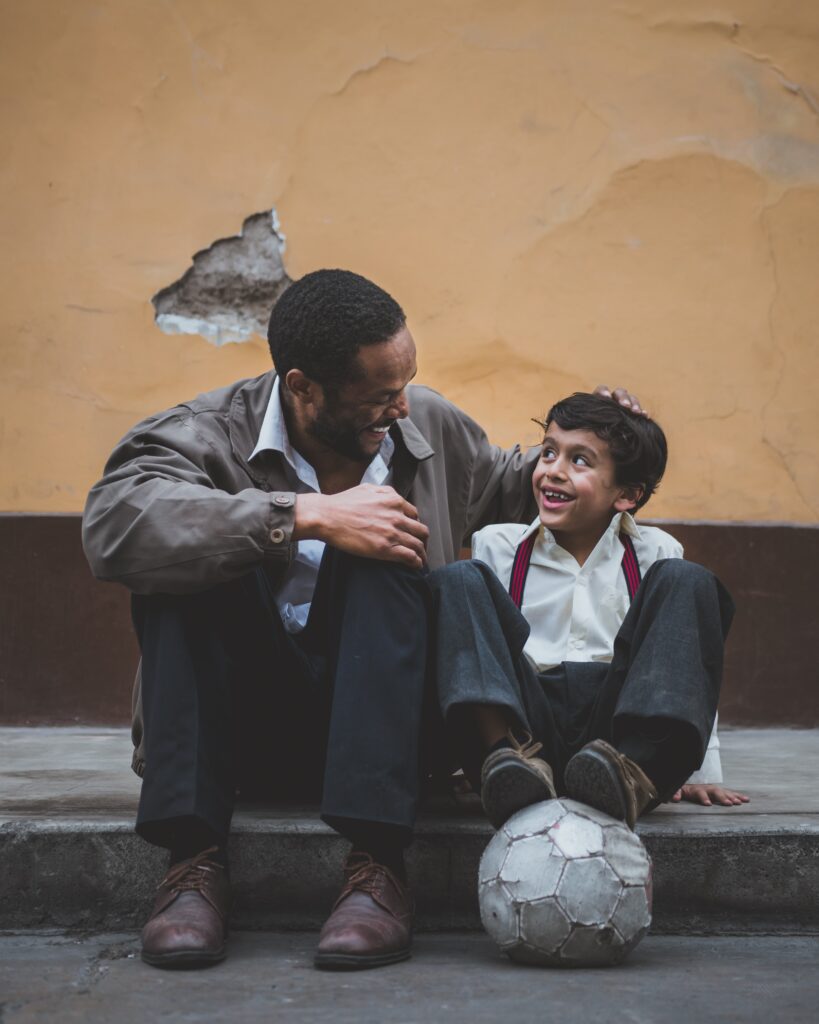
Adults who step back and let kids take the lead
This is one can be challenging. Allowing kids to lead, struggle a little, or choose their own strategy teaches them trust—trust in themselves.
When an adult stays present but not controlling, it acts as a type of emotional “safety net” for them to potentially fail. That’s the key – allowing for safe failure.
Our brains are wired to avoid risks. This is because safety is our brain’s primary operating state — meaning we have to be safe in order to grow.
This means that creating a space for kids to fail safely allows them to better process through the emotion tied to “failing” then learning the lesson from the failure to grow from it!
That combination—guidance when needed and space when appropriate—is where independence thrives.
Helping Kids Apply Independent Skills in Real-Life Situations
One of the coolest things about child development is how transferable play-based learning really is. When kids experience autonomy in play, it spreads into other areas of life. This is actually the truth for adults, too!

Kids who learn to communicate with peers in a low-pressure environment feel more confident in real-world social situations.
Kids who take the lead during creative play become more willing to take the lead in daily life.
Essentially, getting your kids involved in “the right amount” of activities is what we are going to want for them in terms of building their independence.
This can mean extra-curriculars that they are interested in, maybe even extra-curriculars that they aren’t interested in! It depends on the child and how much “push” is necessary based on their responses.
The goal here is to NOT overwhelm, but to challenge and keep it light.
The more breadth of experience they have in activities the better off they will be growing up!
How Social Sprouts Supports Healthy Independence
If you’re reading this and thinking, “This makes sense, but where do I find an environment like this?”, that’s exactly why I created Social Sprouts!
Social Sprouts is a guided, Minecraft-based social club for kids ages 8-12 designed specifically to help children build emotional and social skills—independence included.
Depending on the tier you choose you and your child can enjoy fun time in a closed and safe server with other families who have the same goals for their kids! You also get access to me, a child therapist, via our discord and email for general questions regarding play and its role in your child’s development!
If you want a more hands-on approach from me, there’s options I provide with large and small group participation, as well. Tthrough structured missions and collaborative play, kids in these tiers get to:
- Practice autonomous decision-making
- Take safe risks
- Explore leadership roles
- Problem-solve independently (with help available when needed)
- Build resilience through small, manageable challenges
- Learn to communicate and collaborate without feeling overwhelmed
It’s a space where kids feel supported but not controlled, guided but still free to explore. That balance is exactly what allows independence to take root.
If you’d like your child to develop more independence—emotionally, socially, or in their problem-solving—Social Sprouts offers a structured yet playful environment focused on helping kids become more confident, resilient, and self-directed.
Click here to see the page for Social Sprouts!
I’m looking forward to meeting you!
All inquiries for Social Sprouts can go directly to me at my email below!
antonio@michigancrs.com
References
Nijhof, S. L., Vinkers, C. H., van Geelen, S. M., Duijff, S. N., Achterberg, E. J. M., van der Net, J., Veltkamp, R. C., Grootenhuis, M. A., van de Putte, E. M., Hillegers, M. H. J., van der Brug, A. W., Wierenga, C. J., Benders, M. J. N. L., Engels, R. C. M. E., van der Ent, C. K., Vanderschuren, L. J. M. J., & Lesscher, H. M. B. (2018). Healthy play, better coping: The importance of play for the development of children in health and disease. Neuroscience and Biobehavioral Reviews, 95, 421-429. https://www.sciencedirect.com/science/article/pii/S0149763418305116
