How Social Challenges in Gaming Translate to Real-Life Confidence
Confidence is something every parent wants their child to develop, but the path to building it isn’t always straightforward. If your child games, you may even ask how social challenges in gaming translate to real-life confidence?
While school and sports offer some of these chances, another powerful—but often overlooked—tool is gaming. Games that include social challenges can help children build confidence in ways that transfer directly to real-life situations!
As someone passionate about video games and child development, I’ve observed how structured play, cooperative problem-solving, and guided social interaction in games can create meaningful growth. It’s pretty cool!
It’s not just about fun—when done thoughtfully, social gaming experiences provide a low-stakes environment where children can safely explore new skills, test boundaries, and learn from mistakes.
This is especially true when games are moderated by adults who understand child development, creating opportunities to help kids build confidence while also having fun.
Understanding Social Challenges in Gaming
So, what do we mean by “social challenges” in gaming? Essentially, these are situations where players must interact, cooperate, or compete with others to achieve a shared goal or overcome an obstacle. Examples include:
- Team quests or cooperative builds in Minecraft
- Problem-solving challenges with multiple players
- Group decision-making scenarios in online games or tabletop RPGs
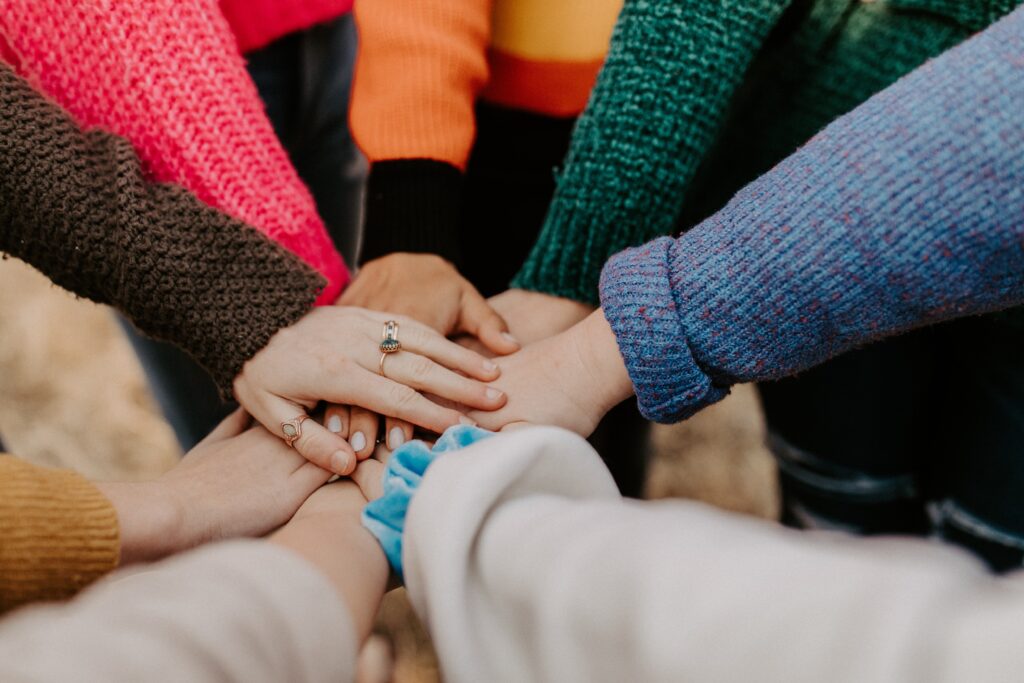
Social challenges require kids to communicate clearly, negotiate, share resources, take leadership roles, and navigate disagreements—all within a safe and structured environment.
These challenges are like “little playgrounds” of real-life social situations, giving children the chance to practice skills that will serve them well beyond the game.
Why Social Challenges Boost Confidence

Confidence develops when children feel capable, take risks, and learn to handle setbacks. Social challenges in gaming provide multiple ways for this to happen:
- Safe risk-taking
- Immediate feedback
- Problem-solving in a group
- Reflection opportunities
There’s a very important stress-related feedback loop at play here that is a bit too complicated to get into that explains this.
What you’ll need to know as a parent, though, is that by facing these mini social challenges repeatedly, kids start to learn that they truly can handle more than they thought! That internal belief is the foundation of real-life confidence.
Transfer of Skills to Real-Life Situations
One of the most powerful aspects of social challenges in gaming is how readily these skills transfer to other areas of life.
The safe, repeatable experiences provided by guided gaming allow children to build a toolkit of skills that are immediately applicable outside the screen.
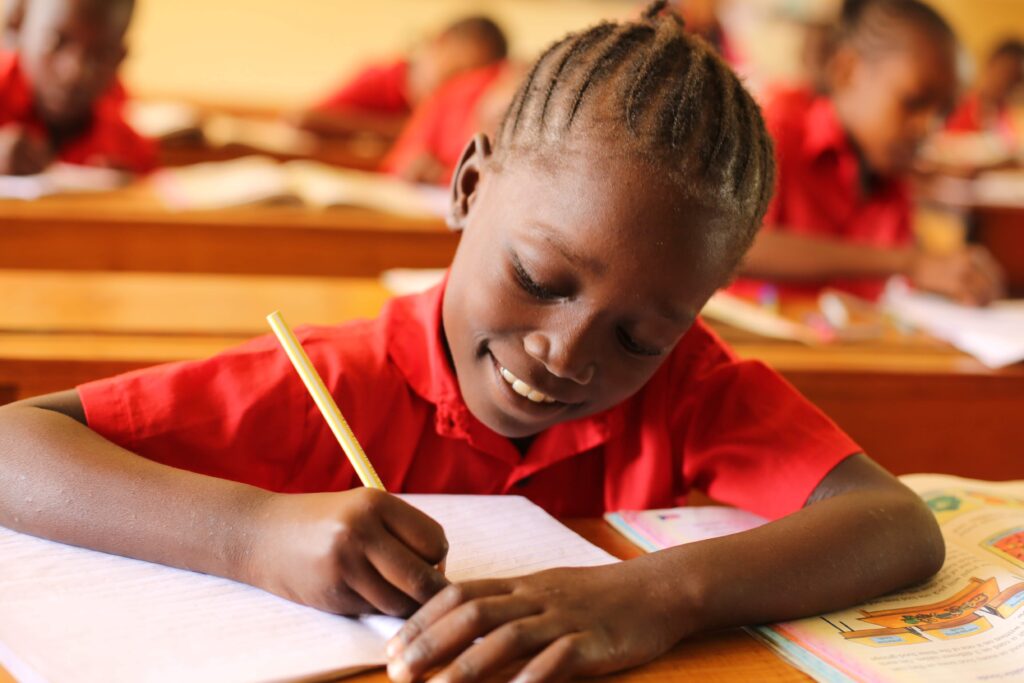
Over time, these skills compound, helping children approach new challenges with a sense of self-assuredness and calm.
The Role of Guided Play
While unguided gaming can benefit kids on its own, structured guidance amplifies the impact. Adults or trained facilitators/parents help ensure that:
- Games remain safe and inclusive
- Children reflect on their experiences
- Learning goals like communication, leadership, and empathy are reinforced
Guided play also provides opportunities for adult role modeling. Adults can demonstrate problem-solving strategies, show how to navigate disagreements constructively, and celebrate small successes — as a matter of fact, this is one of my favorite therapuetic interventions to use in my own practice!
This scaffolding allows children to experiment confidently, knowing support is available if needed. It’s one of the best ways to help kids translate gaming experiences into real-world confidence.
How Social Sprouts Helps Kids Build Confidence Through Gaming
If you’re looking for a structured environment where these benefits can flourish, my program Social Sprouts Gaming Club provides a guided, safe, and supportive space for children to engage in social gaming challenges.
Within the club, kids:
- Participate in structured missions designed to encourage teamwork and problem-solving
- Receive support from a child therapist who facilitates reflection and learning
- Explore leadership roles, communication skills, and social problem-solving in a low-pressure environment
- Join a positive, inclusive community that reinforces confidence and social growth
By combining the power of social challenges in gaming with guided support, Social Sprouts helps children practice and internalize skills that translate directly to everyday life.
For parents looking for a way to give children these experiences while keeping them engaged, challenged, and supported, Social Sprouts Gaming Club offers the perfect solution!
Feel free to email me directly for a free consultation to learn more!

Email: antonio@michigancrs.com
