
How to Help Kids Manage Anxiety Through Play
Play is the primary way our children interact with their worlds – both external and internal! It can also be a mode of healing for them through difficult times. This is something I have based my work on and am passionate about; how to help kids manage anxiety through play.
Let’s dive in!
Understanding Anxiety in Children: The Need for Safety and Predictability
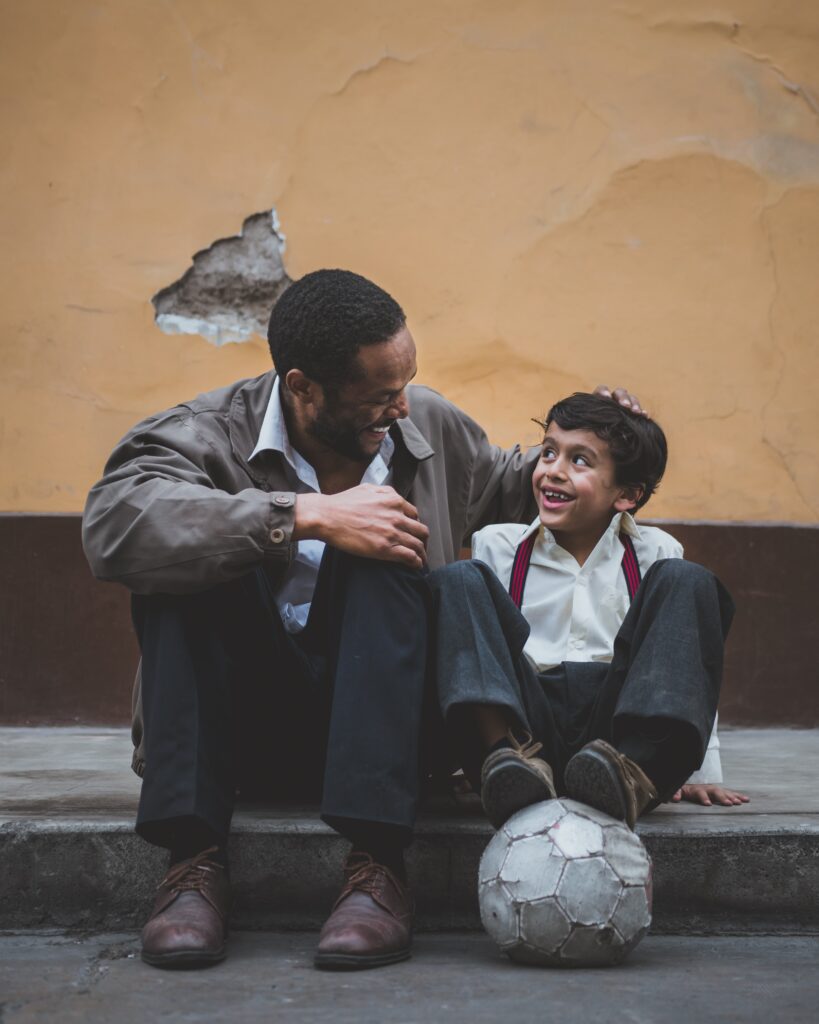
When parents ask questions about how to help kids manage anxiety through play, what they’re often really asking is why their child seems overwhelmed by situations that feel manageable to adults.
Anxiety in children doesn’t usually announce itself clearly. It shows up quietly, through avoidance, rigidity, perfectionism, irritability, or a constant need for reassurance.
At its core, anxiety is about safety. An anxious child isn’t choosing to worry—they’re responding to a nervous system that doesn’t yet trust the environment to be predictable or manageable.
Children are still developing the cognitive and emotional tools needed to assess risk, tolerate uncertainty, and recover from stress. When those tools are underdeveloped or overwhelmed, anxiety fills the gap.
This is why lectures, logic, or repeated reassurance rarely work long-term. Anxiety isn’t a thinking problem—it’s a body-based experience.
To truly understand how to help kids manage anxiety through play, we have to start by meeting the nervous system where it is, not where we wish it would be.
Why Play Is an Ideal Space for Practicing Anxiety Tolerance
Play offers something few environments do: uncertainty wrapped in safety. Games have rules and structure, but outcomes are never guaranteed.
A plan might fail. A strategy might not work. Something unexpected might happen.
For an anxious child, this is challenging—but also therapeutic.
Unlike real-world situations, play carries low stakes.
Mistakes don’t follow children into tomorrow. Failure doesn’t define them and because play is engaging by nature, kids are more willing to stay involved even when discomfort shows up.
This is a key reason why play is so effective when learning how to help kids manage anxiety through play.
Anxiety is maintained by avoidance. The more children avoid uncertain situations, the more their nervous system learns that avoidance equals safety.
Play gently interrupts that cycle (emphasis on gentle).
It encourages participation instead of avoidance, exposure instead of retreat. Over time, children learn—through experience, not explanation—that uncertainty can be tolerated and survived.
This same mechanism supports emotional growth across other domains as well. The way play helps with anxiety mirrors how it supports frustration, anger, and even sadness regulation.
How Play Teaches Kids to Stay Engaged Despite Worry
One of the most important lessons play teaches anxious children is that anxiety does not need to disappear before action can happen.
During play, kids often experience nervousness alongside excitement. They might worry about failing but still want to try. They may feel unsure and continue anyway. This is emotional regulation happening organically.
Through repeated play experiences, children learn:
- I can feel anxious and still participate
- I can make mistakes and recover
- I don’t need certainty to move forward
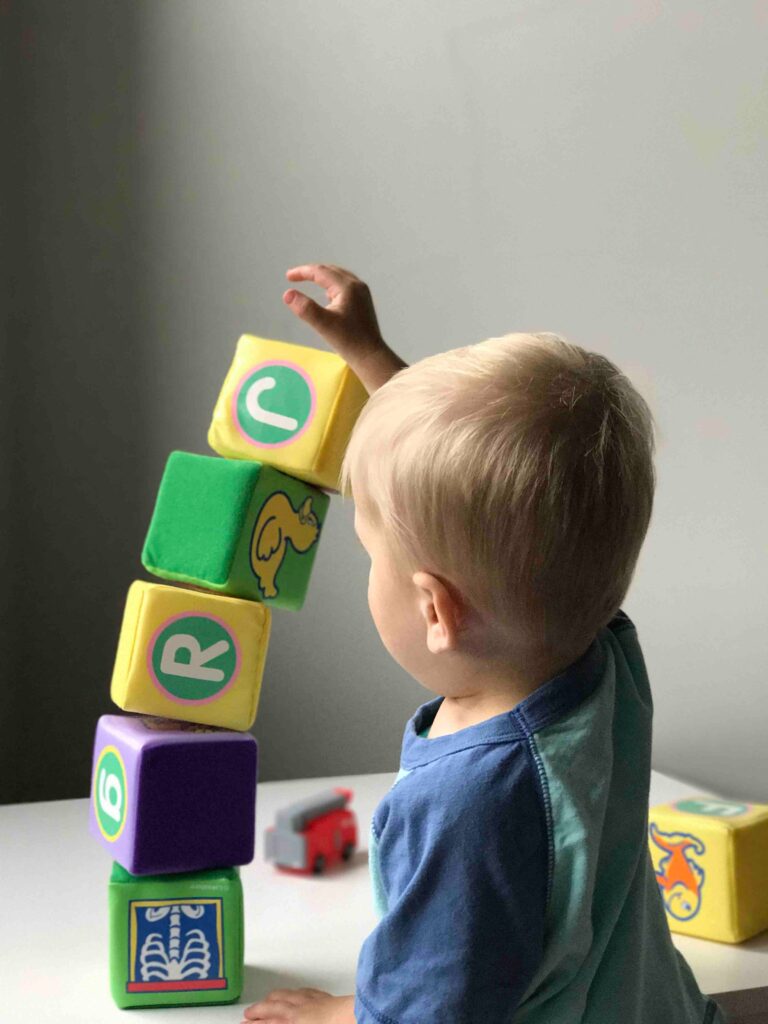
This is the heart of how to help kids manage anxiety through play. The goal isn’t to eliminate worry—it’s to change the child’s relationship with it.
Play also teaches recovery. Children experience disappointment, frustration, or nervousness, and then return to baseline. That emotional recovery builds confidence far more effectively than reassurance ever could.
Over time, kids begin to trust themselves. They learn that uncomfortable feelings pass and that they are capable of navigating them. These lessons transfer naturally into school, friendships, and new situations outside of play.
The Role of Adults in Supporting Anxious Play
Adults are a critical part of the equation when considering how to help kids manage anxiety through play. The adult’s role isn’t to fix anxiety—it’s to provide emotional safety while allowing it to happen.
This way, growth can take place when kiddo comes out the other side!
One of the most common pitfalls is over-reassurance. While comforting, excessive reassurance can unintentionally reinforce anxiety by sending the message that the child cannot cope on their own.
Instead, supportive adults offer calm presence and predictability. They stay regulated themselves. They model flexibility, patience, and problem-solving.
Helpful adult responses sound like:
- “That looks challenging”
- “You’re working through it”
- “It’s okay to pause and try again”
These responses communicate trust rather than rescue.
Equally important is knowing when not to intervene. Safe struggle is where learning happens. When children experience difficulty and then recover with support nearby, their nervous system learns resilience.
This balance—support without control—is foundational to how to help kids manage anxiety through play in a way that lasts.
Using Guided Social Play to Reduce Anxiety Over Time
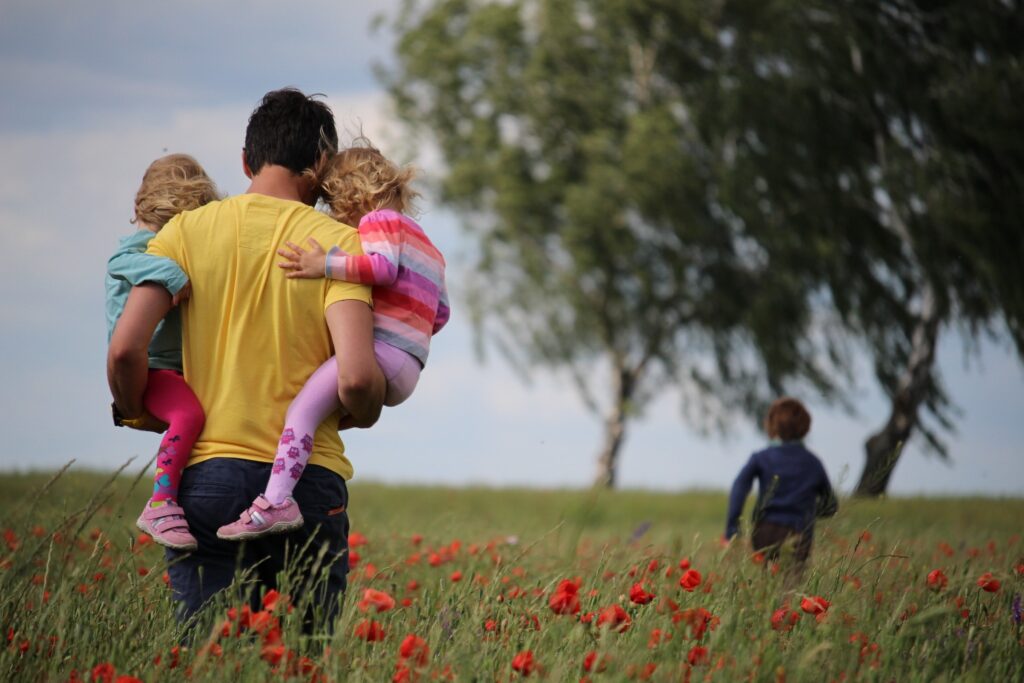
While individual play can be powerful, social play introduces the kind of complexity that anxious kids often struggle with most: unpredictability, communication, and social risk.
Guided social play environments provide an ideal setting to practice these skills safely. Children navigate real interactions, disagreements, collaboration, and uncertainty—while knowing support is available.
This is where structured programs like Social Sprouts Gaming Club become especially valuable. We intentionally combine play with emotional scaffolding.
Kids are exposed to manageable social challenges while being supported by a trained, regulated adult.
Over time, children learn:
- Social discomfort isn’t dangerous
- Mistakes don’t lead to rejection
- Support doesn’t mean control
When parents ask how to help kids manage anxiety through play, this is often the missing piece—consistent, guided experiences where children can practice anxiety tolerance in community.
Play doesn’t eliminate anxiety. What it does is far more important: it teaches kids that anxiety doesn’t get to run the show. And that lesson carries forward into every part of their lives.ating challenging situations with support.
Reach Out To Learn More!
Email: antonio@michigancrs.com
Phone: (269) 350-3470
